let's connect
For fifteen years, almost every American city chasing innovation has built the same thing. A few-block knowledge district anchored by a university or a hospital. Lab space, coffee shops, coworking, venture capital. Kendall Square. Cortex. Research Triangle Park. The model is so dominant it has come to define what an innovation economy is supposed to look like.
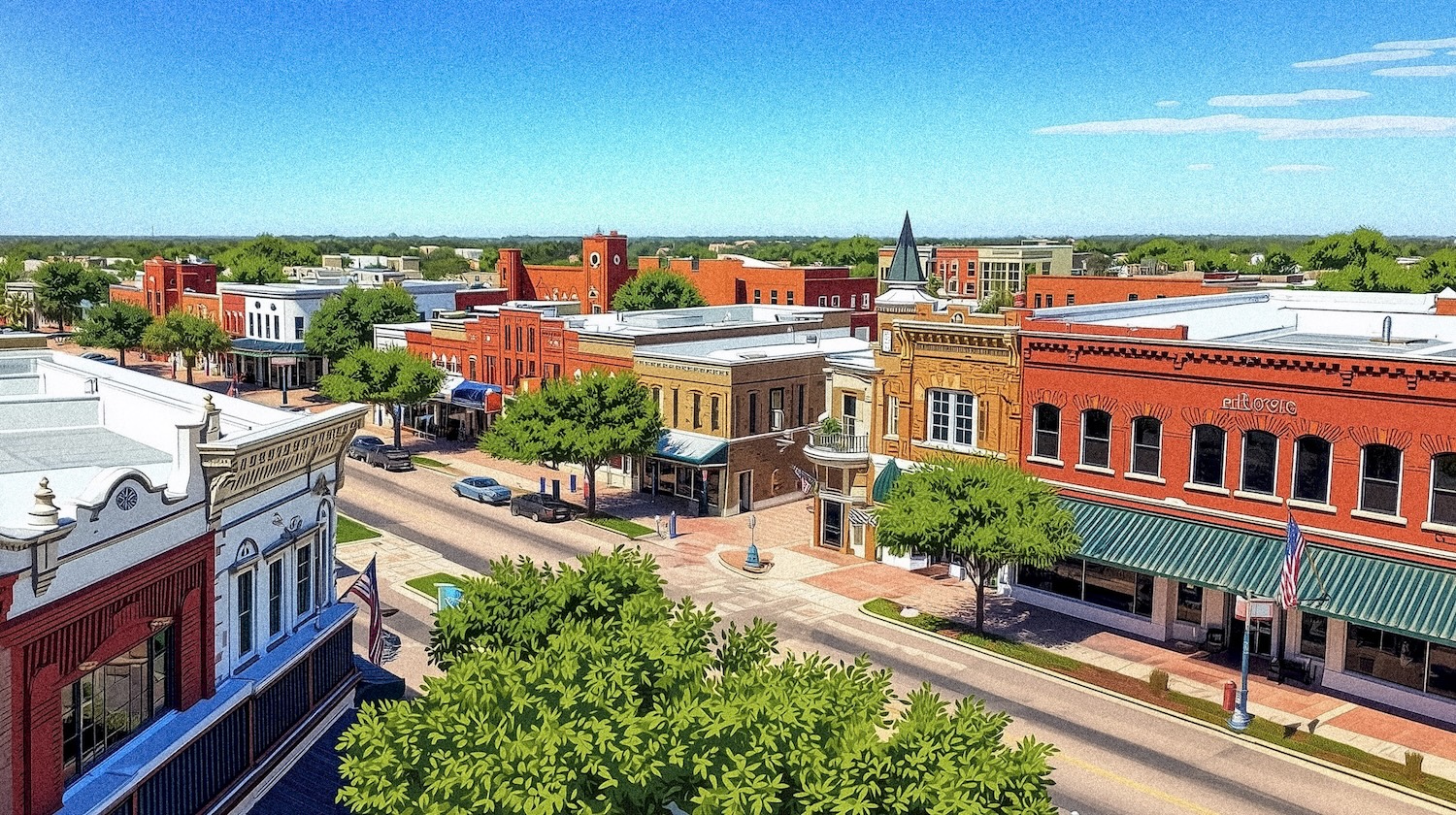
On May 5, the Shafter City Council adopted a five-year economic development plan that makes a different bet. Shafter is not building a knowledge district. It is treating the entire city as an innovation zone, organized around one of the most sophisticated industrial ecosystems in California.
The U.S. Economic Development Administration has since approved the plan as Shafter's Comprehensive Economic Development Strategy. That designation matters for the federal alignment it opens. The more interesting question is why a city of 22,000 in Kern County is the one making this bet, and why almost no one else is.
A Different Kind of Innovation Economy
The next generation of industrial work does not happen inside a knowledge district. Automated logistics, cold chain at scale, advanced manufacturing, applied aerospace, agricultural technology, energy systems: none of it fits in a converted warehouse next to a research university. It needs land, power, water, rail, regulatory certainty, automation-ready facilities, and a workforce trained in operations that cross sectors. Knowledge districts cannot produce any of that.
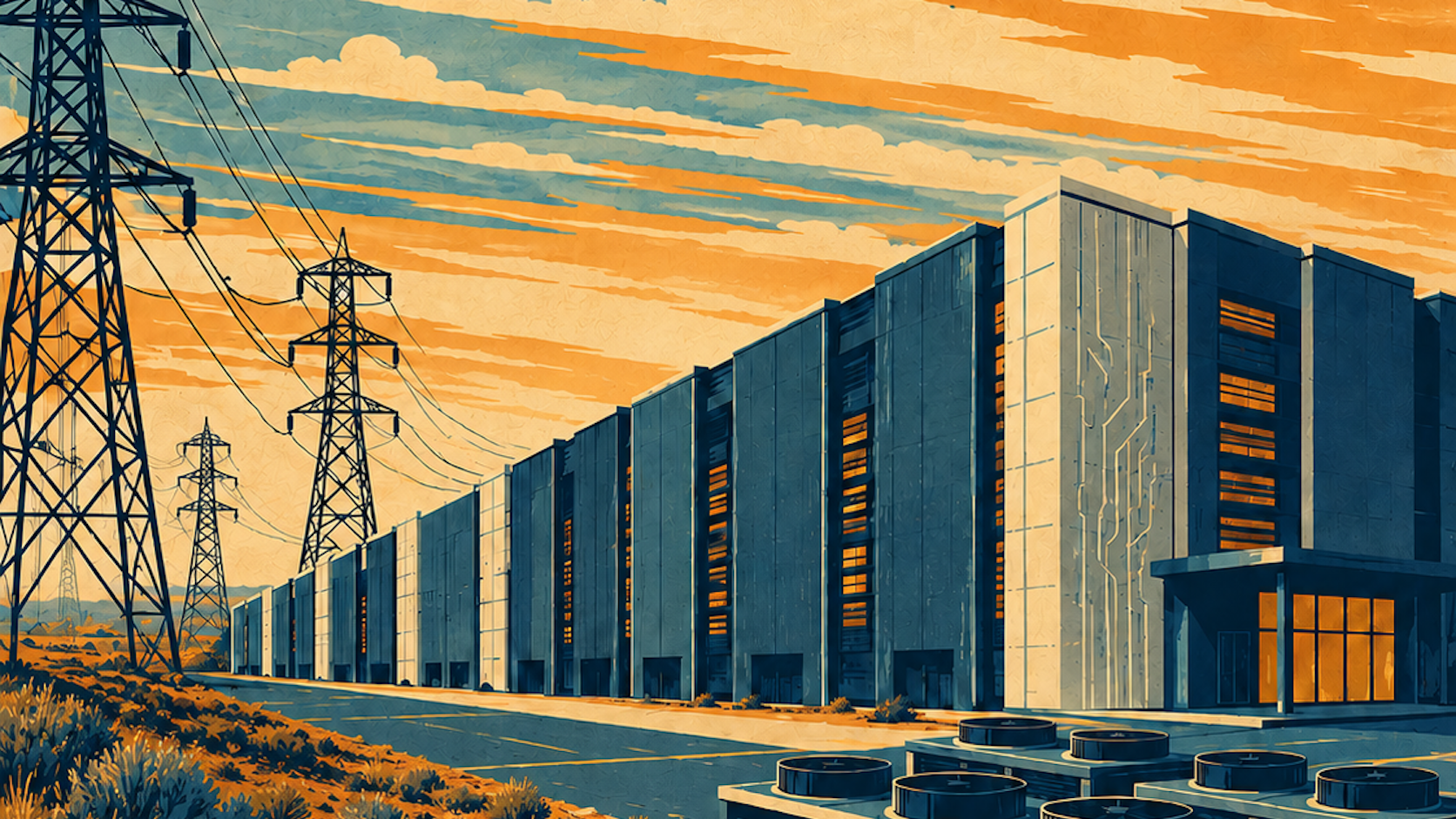
Shafter already has all of it. The Wonderful Industrial Park. Dual Class I rail. I-5 and Highway 99. A newly operational container exchange that turns the city into an inland trade gateway. Available industrial land in a state where industrial land is disappearing. A city-owned dark fiber network. A special-district airport with more than 100 acres of leasable greenfield, full hangars, and the rural airspace that drone and applied aerospace operations require. Kern County's solar, wind, natural gas, and emerging hydrogen capacity sits underneath all of it.
That combination, in a single jurisdiction, does not exist in most of California. It does not exist in most of the country. The plan's central argument is that Shafter should stop marketing those assets one industry at a time and start marketing the ecosystem they form.
Why the Whole City Is the Platform
Most economic development plans organize work by cluster. Shafter's plan names five (logistics, value-added agriculture, advanced manufacturing and aviation, energy, and the corridors that connect them) but treats them as one system. The reason is operational, not rhetorical.
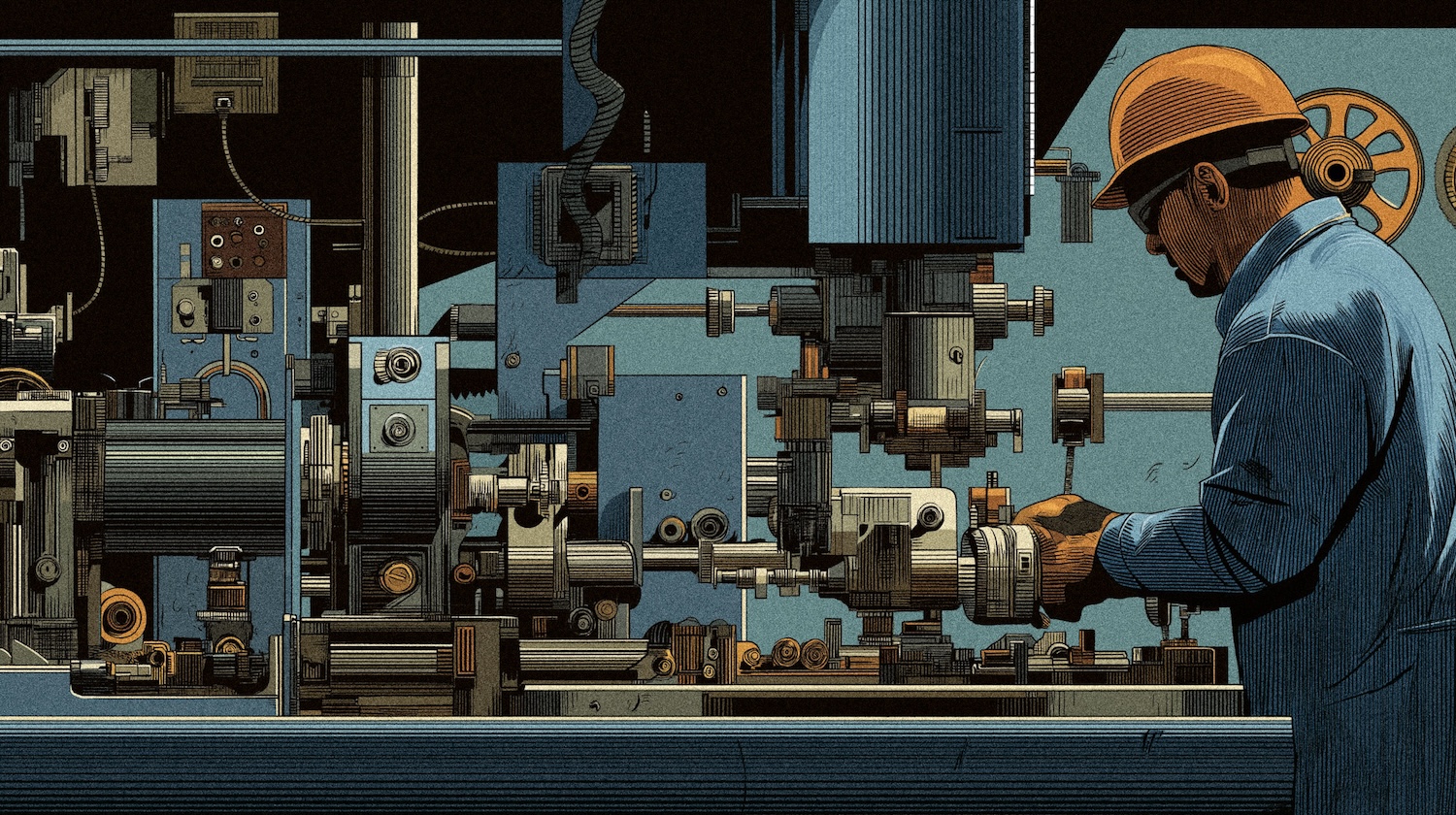
The same technicians, electricians, controls specialists, welders, and quality professionals serve every cluster. The same energy infrastructure underwrites every cluster's competitiveness. The same intermodal platform ships product for all of them. The same regulatory pathway gets all of them permitted. A cold chain operator landing in Shafter can source from local processors, run on solar or microgrid power, hire from a shared technical workforce, and ship through shared rail. Each cluster makes the others more viable. The integration is the product.
It is also where Shafter's most immediate opportunity lives. The plan documents $250 million in annual supply chain leakage: maintenance services, packaging, components, equipment, and business services that Shafter employers already buy from outside the community. The demand is established. The purchasing relationships exist. What is missing is local supply. That is not a recruitment pitch. It is a procurement target with a dollar figure attached.
What Shafter Has to Build Next
A city-wide innovation zone only works if the supporting infrastructure is built to match. Three pieces, none of which can be skipped.
A unified workforce platform. Five separate cluster training programs would defeat the integration. The plan calls for one technical workforce built around certifications, apprenticeships, and stackable credentials that move across every cluster, anchored by a formalized partnership with Bakersfield College. The platform has to be operational before recruitment scales, not promised after.
Corridors that make the ecosystem legible. Lerdo Highway and 7th Standard Road carry the city's industrial traffic today. They function as conduits, not destinations. As residential growth accelerates along 7th Standard and employment density climbs along Lerdo, the gap between industrial function and community life becomes a strategic liability. The plan treats corridor investment as economic development, not beautification.
Institutional capacity to match the complexity. Shafter's prior success was built through informal networks and responsive leadership. That worked when the economy was simpler. Coordinating five interconnected clusters, regional partnerships with B3K Prosperity, Kern Economic Development Corporation, Bakersfield College, and CSU Bakersfield, and corridor investment at the same time exceeds what informal coordination can sustain. The plan names institutional capacity as the sixth goal because without it, even the best strategy stalls at execution.
Why This Bet Is Worth Watching
Almost no one is competing for what Shafter is building. Almost every mid-sized American city is trying to build a knowledge district. The supply is saturated, most winners were decided years ago, and many of the late entrants are spending public money to chase software engineers and venture capital that may not arrive in the numbers their pro formas assumed. Industrial innovation is structurally underserved. The work has to happen somewhere. The places that can host it at scale are rare.
Shafter is one of them. The infrastructure is in the ground. The export base is already at $1 billion a year. Traded-sector concentration is more than double the national average. What the plan adds is the strategy to use the whole city as the platform, market the ecosystem as the product, and turn industrial capacity into the kind of broadly shared prosperity that industrial economies have not always produced.
Two decades ago, Shafter entitled industrial land before demand arrived, calibrated infrastructure to logistics and manufacturing trends, and built a reputation for regulatory follow-through that most cities of any size cannot match. What looks like overnight success was the product of patient decisions made when no one was watching. The plan adopted on May 5 applies the same discipline to a harder question: whether a city of 22,000 can build the innovation zone that the next generation of American industrial work actually needs.
Most cities are not in position to try. Shafter is.







.png)




































Let’s turn your next big move into real momentum
Let's talk