let's connect
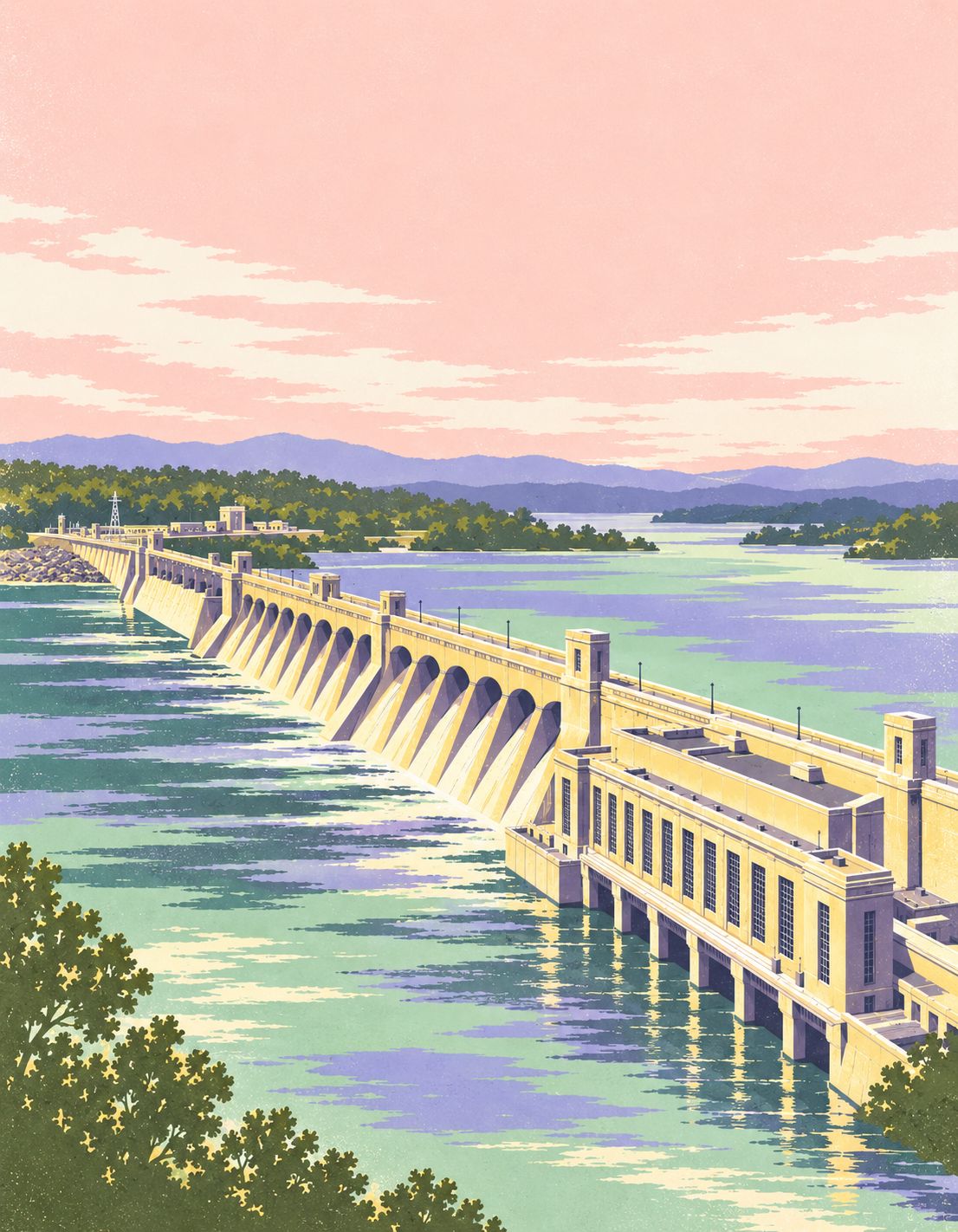
In northwest Alabama, a former railcar plant is preparing for a new role in American submarine production. At the Shoals Research Airpark, a planned power transformer factory will help meet demand for the equipment that keeps the electric grid running. These investments put the Shoals at the center of two national priorities and give the region a new set of choices about its future.
CivicSol has been selected by the Shoals Economic Development Authority to develop an organizational and economic development strategic plan. Together, we will help determine where the region should compete next and how the EDA should organize its people, programs, and resources to carry that work forward.
The connection matters. Winning a major investment changes what a community can pursue. It also changes what its economic development organization needs to be able to do.
THE MOMENT
The Shoals has a strong identity of its own. Its recording studios and musicians helped shape American music. Its manufacturers, colleges, and communities have built capabilities that are attracting a new generation of industrial investment.
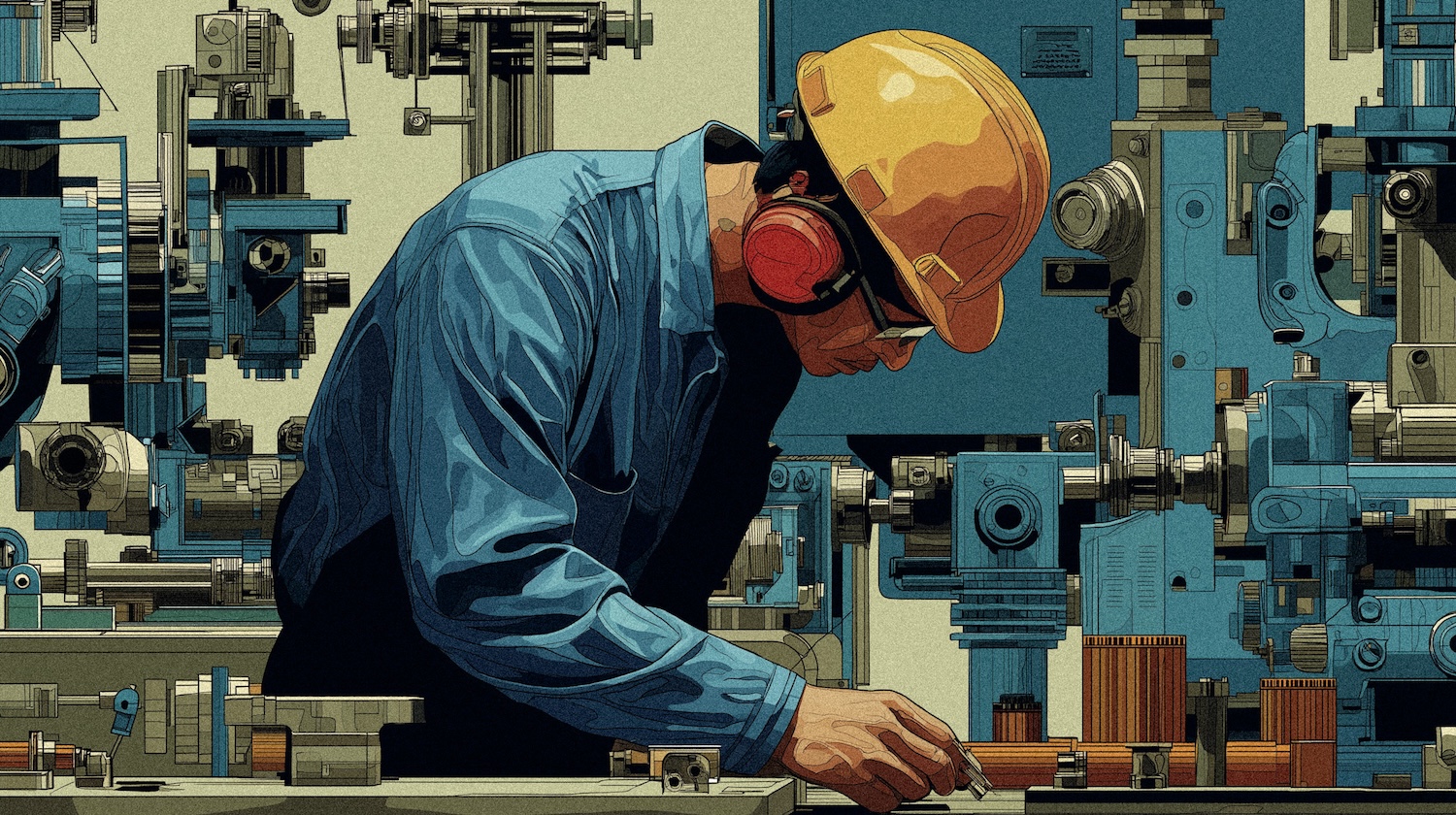
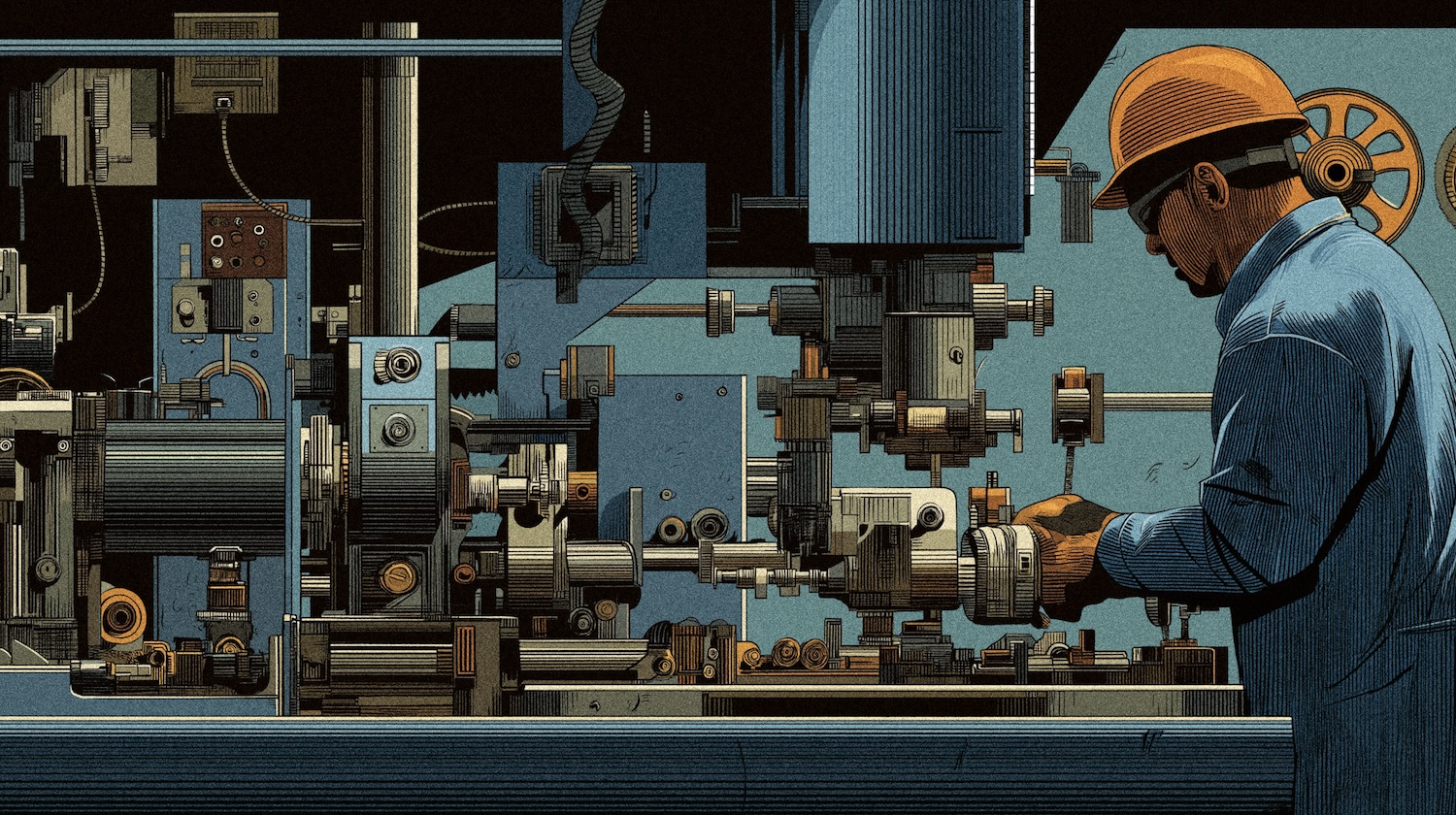
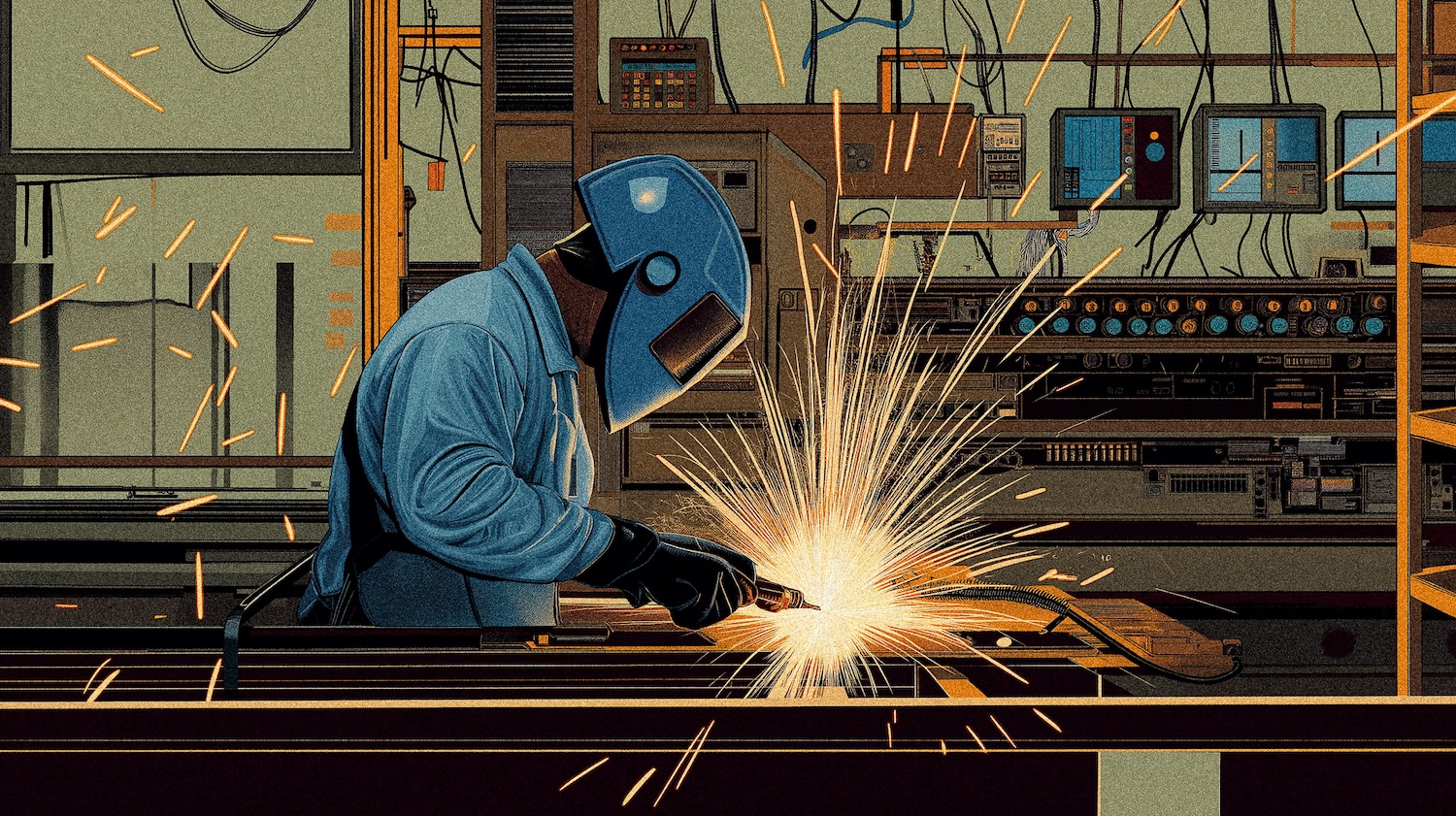
In March, Hadrian opened its 2.2 million-square-foot facility in Cherokee to support production of components for Virginia- and Columbia-class submarines. The project is expected to create up to 1,000 manufacturing jobs. In May, Virginia Transformer announced a new plant in Muscle Shoals, with initial production scheduled for January 2028 and 1,100 jobs projected at full production.
Those commitments create possibilities well beyond the factory gates. Local companies could become suppliers. Residents could gain access to new technical careers. The region could become more competitive for related industries as specialized skills and production capacity grow.
Realizing those possibilities takes deliberate work. New employers and established companies draw from the same regional workforce. A promising supplier opportunity may depend on a suitable building, reliable utilities, or training that is not yet available at the scale required. The decisions made now will influence how much of this investment becomes lasting opportunity for people and businesses already in the Shoals.
THE CIVIC SOLUTION
Our work will connect the region’s economic choices with the EDA’s ability to deliver them.
With Lightcast, we will examine how the Shoals compares with peer regions and how its industries are changing. Defense and precision manufacturing, electrical equipment, and opportunities tied to established employers deserve close attention. The analysis and employer conversations will test which opportunities fit the region, what could hold them back, and where residents can realistically find a path into better-paying work.
That same discipline will guide the review of the EDA’s industrial properties. A supplier strategy has practical consequences: which sites fit the companies being pursued, what improvements are needed, and which investments should come first? Existing site studies, park tours, and discussions with utility partners will help turn those questions into property priorities.
We will examine the organization alongside that analysis. If supplier development becomes a priority, who will build relationships with purchasing teams and local businesses? If workforce needs grow, what should the EDA lead, and what should it coordinate with Northwest Shoals Community College, the University of North Alabama, AIDT, and employers? Each strategic choice should come with a clear understanding of the staff time, partnerships, and funding it requires.
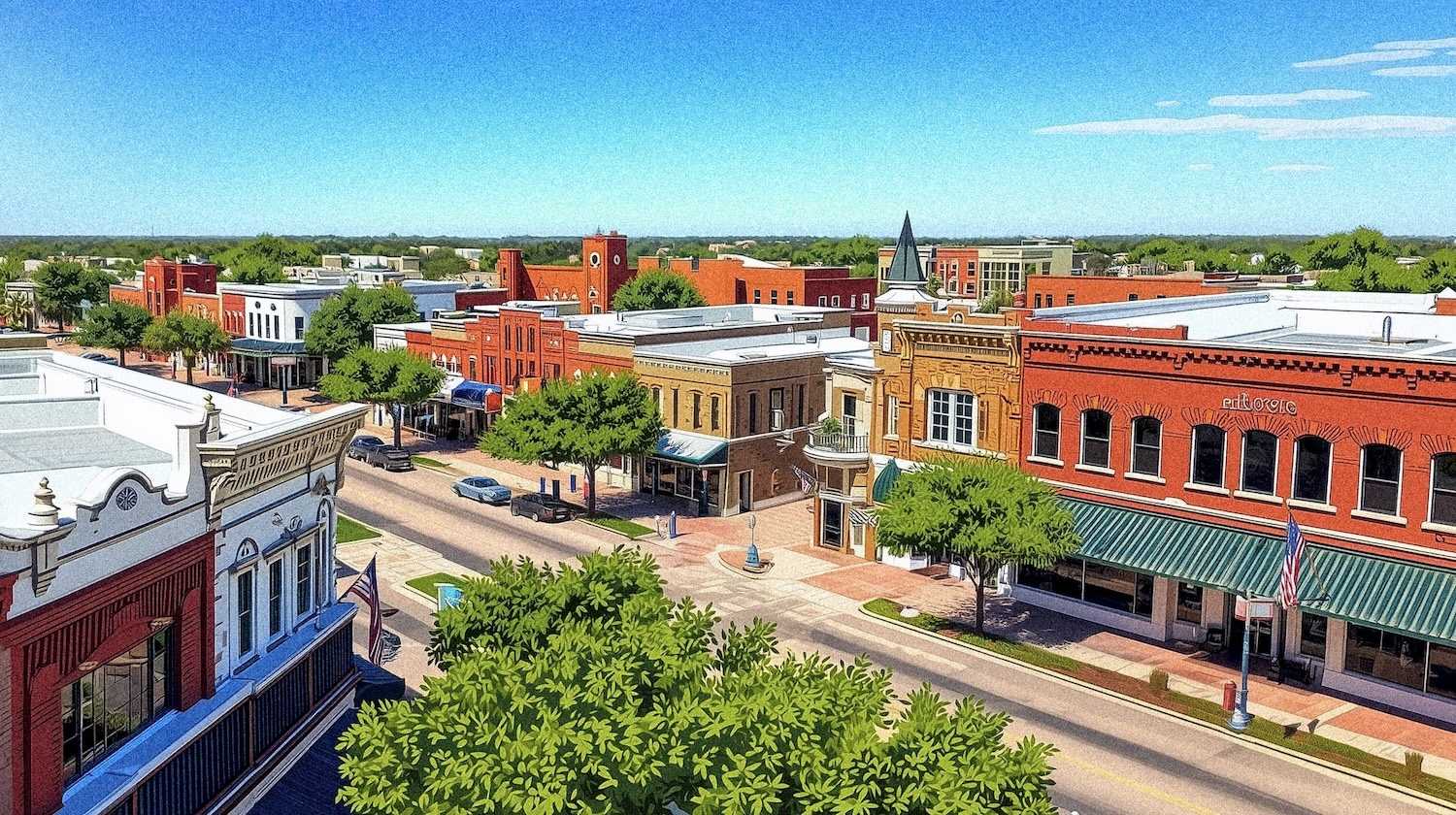
The work also makes room for the differences within the region. Florence, Muscle Shoals, Sheffield, and Tuscumbia will each receive an economic profile and an action plan connected to the regional strategy. A regional priority becomes more useful when a mayor or local business leader can see what it means for their own community.
EDA staff, the Board, city and county leaders, employers, and education partners will help test the findings and shape the direction. The resulting five-year plan will identify responsibilities, resources, and measures of progress, with a clear sequence for the first year and the investments that follow.
THE IMPACT
For other communities, the Shoals raises a question worth asking after a major recruitment win: what must change in the way we work to make the most of it?
Success can expand an economic development organization’s responsibilities before its staffing, programs, or partnerships have caught up. Planning for that change is part of protecting the value of the investment a region worked to attract.
The Shoals EDA is bringing those questions together. We are proud to partner with its leaders and communities on a strategy that builds from their accomplishments and prepares them for what comes next: more opportunities for local businesses to grow, more routes into skilled careers, and a clearer role for each community in the region’s future.

















































Let’s turn your next big move into real momentum
Let's talk